
Among the final stages of classic car restoration is when the vehicle enters paint booth- a time for relief and appreciation, yet on that demands as much care and skill as the structural and mechanical work that precedes them.
Polishing, detailing, and finishing are where paint quality, trim condition, and overall presentation are refined to concours or high-quality driver standards. In recent years, cordless polishing and finishing tools have become much in demand in the modern classic car restoration and maintenance workshop, offering mobility, precision and reduced risk, a much welcome factor when working on valuable and often irreplaceable finishes. Most classic UK or European cars of the Fifties and Sixties have had a hard life, and frequently feature delicate trim materials, thinner paint, single-stage coatings as well as sub-standard hand-applied finishes. The cordless dual-action polisher is regarded as being the safest and most versatile polishing tool in a classic car workshop, combining a rotating motion with an orbital movement, significantly reducing the risk of swirl marks, holograms, or paint burn-through. This positive factor makes the cordless dual-action polisher the ideal choice when working on older paint systems, resprayed panels with limited clear coat thickness and original factory finishes that must be preserved rather than corrected.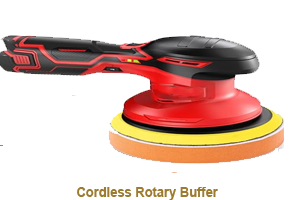
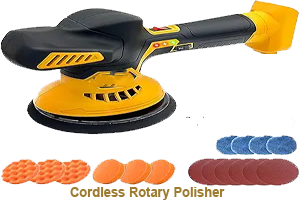 In restoration work, cordless dual-action polisher are used for applying finishing polishes and sealants, compounding light defects and refining paint after wet sanding.
Its cordless operation allows the polisher to be used freely around the entire vehicle, including roof panels and lower sills, without the inconvenience and possible safety risk of cables dragging across the floor or even worse on the freshly detailed paint. Variable speed control and modern battery endurance make them suitable for extended detailing sessions without interruption.
The cordless rotary polisher delivers direct, single-axis rotation and significantly higher cutting power than a DA polisher. In a classic car restoration and maintenance workshop, operating the cordless rotary polisher is typically reserved for the more experienced members of the crew, who have the knowledge to carry out such specific tasks as correcting deep scratches, removing heavy oxidation or restoring gloss to severely weathered paint.
In restoration work, cordless dual-action polisher are used for applying finishing polishes and sealants, compounding light defects and refining paint after wet sanding.
Its cordless operation allows the polisher to be used freely around the entire vehicle, including roof panels and lower sills, without the inconvenience and possible safety risk of cables dragging across the floor or even worse on the freshly detailed paint. Variable speed control and modern battery endurance make them suitable for extended detailing sessions without interruption.
The cordless rotary polisher delivers direct, single-axis rotation and significantly higher cutting power than a DA polisher. In a classic car restoration and maintenance workshop, operating the cordless rotary polisher is typically reserved for the more experienced members of the crew, who have the knowledge to carry out such specific tasks as correcting deep scratches, removing heavy oxidation or restoring gloss to severely weathered paint.
 Rotary polishers are particularly useful when restoring older single-stage paints, where oxidation removal is often required to revive colour and depth. Cordless rotary models offer improved balance and freedom of movement, because they generate more heat, they must be used carefully to avoid damaging thin paint, sharp edges, or raised body lines commonly found on classic vehicles.
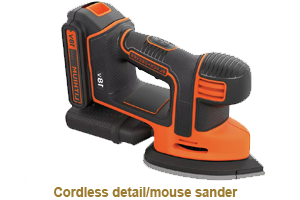 Cordless mini polishers are invaluable for precision detailing work, designed to access areas that full-size polishers cannot reach. In classic car restoration, these tools are commonly used on A-pillars, around door handles, headlamp surrounds, grille bars, wheel centres, and intricate chrome or stainless trim.
Mini polishers are also ideal for interior detailing tasks, such as restoring lacquered wood dashboards, polished metal switchgear, and painted interior panels. Cordless operation reduces the risk of accidental contact with adjacent trim or upholstery as well as enhancing the operator’s manoeuvrability and making them especially suitable for delicate finishing work.
Cordless mini polishers are invaluable for precision detailing work, designed to access areas that full-size polishers cannot reach. In classic car restoration, these tools are commonly used on A-pillars, around door handles, headlamp surrounds, grille bars, wheel centres, and intricate chrome or stainless trim.
Mini polishers are also ideal for interior detailing tasks, such as restoring lacquered wood dashboards, polished metal switchgear, and painted interior panels. Cordless operation reduces the risk of accidental contact with adjacent trim or upholstery as well as enhancing the operator’s manoeuvrability and making them especially suitable for delicate finishing work.
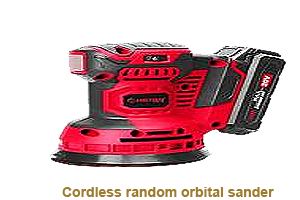 Cordless buffers are typically lower-speed machines designed for finishing rather than correction, typically used to apply waxes, sealants, and glazes, as well as to lightly buff paint and trim so that comes up to a uniform glossy sheen. In a restoration workshop, buffers are often used during final presentation stages, concours preparation, or routine maintenance of completed vehicles.
Because buffers operate at lower speeds and apply less aggressive action, they are well suited to fragile finishes, older lacquered paint, and polished metal surfaces. Cordless buffers are also useful for chrome bumpers, alloy trim, and stainless mouldings, where controlled polishing is required without excessive heat or abrasion.
Cordless polishing, detailing and finishing tools have become an essential component of the classic car restoration and maintenance workshop, providing previously unknown levels freedom for the operator around complex vehicle shapes. When used correctly and in combination with traditional hand-polishing techniques, cordless polishers and buffers allow classic car restorers and maintainers to achieve exceptional visual results while respecting the originality and craftsmanship of classic vehicles.
Cordless buffers are typically lower-speed machines designed for finishing rather than correction, typically used to apply waxes, sealants, and glazes, as well as to lightly buff paint and trim so that comes up to a uniform glossy sheen. In a restoration workshop, buffers are often used during final presentation stages, concours preparation, or routine maintenance of completed vehicles.
Because buffers operate at lower speeds and apply less aggressive action, they are well suited to fragile finishes, older lacquered paint, and polished metal surfaces. Cordless buffers are also useful for chrome bumpers, alloy trim, and stainless mouldings, where controlled polishing is required without excessive heat or abrasion.
Cordless polishing, detailing and finishing tools have become an essential component of the classic car restoration and maintenance workshop, providing previously unknown levels freedom for the operator around complex vehicle shapes. When used correctly and in combination with traditional hand-polishing techniques, cordless polishers and buffers allow classic car restorers and maintainers to achieve exceptional visual results while respecting the originality and craftsmanship of classic vehicles.

- Battery (cordless) powered Drilling, Driving, Fastening Tools
- Battery (cordless) powered Cutting, Grinding, Metal Shaping Tools
- Battery (cordless) powered Sanding, Surface Preparation, Rust Removal Tools
- Battery (cordless) powered Polishing, Detailing, Finishing Tools
- Battery (cordless) powered Bodywork Support Tools
- Battery (cordless) powered Electrical and Wiring Tools
to4